
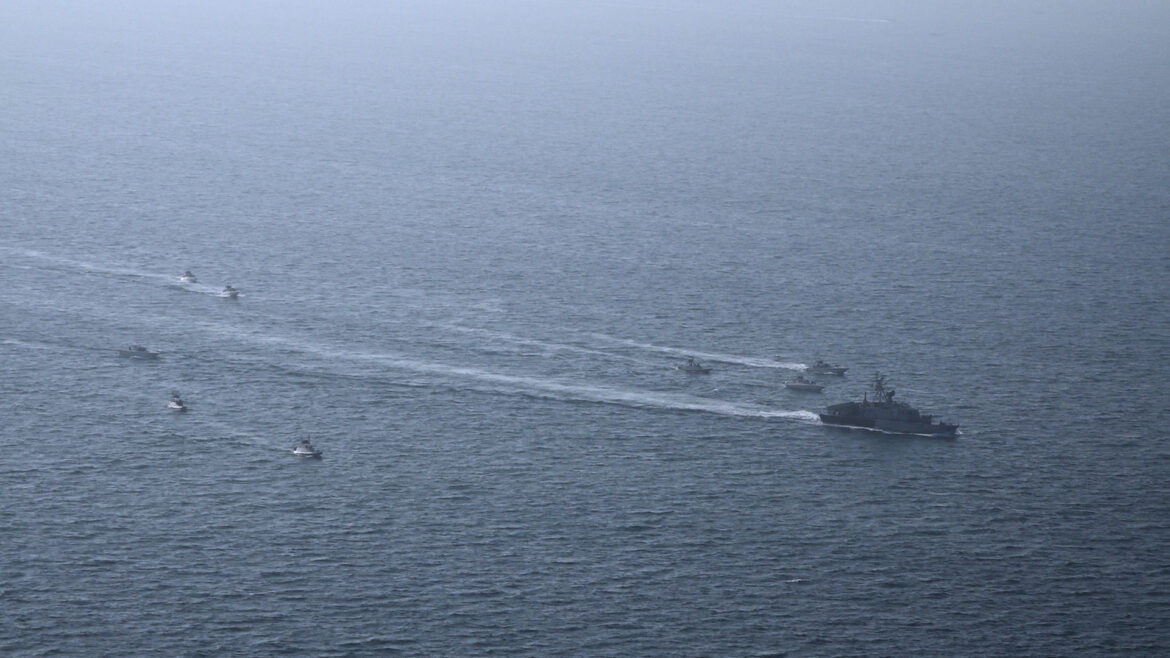
Amid rising tensions in the Persian Gulf, retired U.S. Army Colonel Manuel Supervielle analyzed why free navigation in the Strait of Hormuz was not secured from the first day of hostilities. For the expert, the issue lies in the fact that Washington has not clearly defined the final objective of the conflict.
Risk as a weapon of war
Supervielle explained that Iran does not need a full physical blockade to paralyze energy trade. “By merely creating a perception of risk, insurers withdraw, and without insurance, ships simply do not sail,” he stated. He also warned about the use of naval mines, noting that a clearance operation in the Gulf could take months, even after the shooting stops.
The ultimatum crisis
The colonel was critical of the White House strategy regarding deadlines set for Tehran. “Setting deadlines and then extending them reduces U.S. credibility; it’s like the boy who cried wolf,” he said. For retired Colonel Manuel Supervielle, these extensions only serve to buy time without changing the course of the conflict, while the risk of a humanitarian crisis due to lack of water or attacks on oil infrastructure continues to rise.